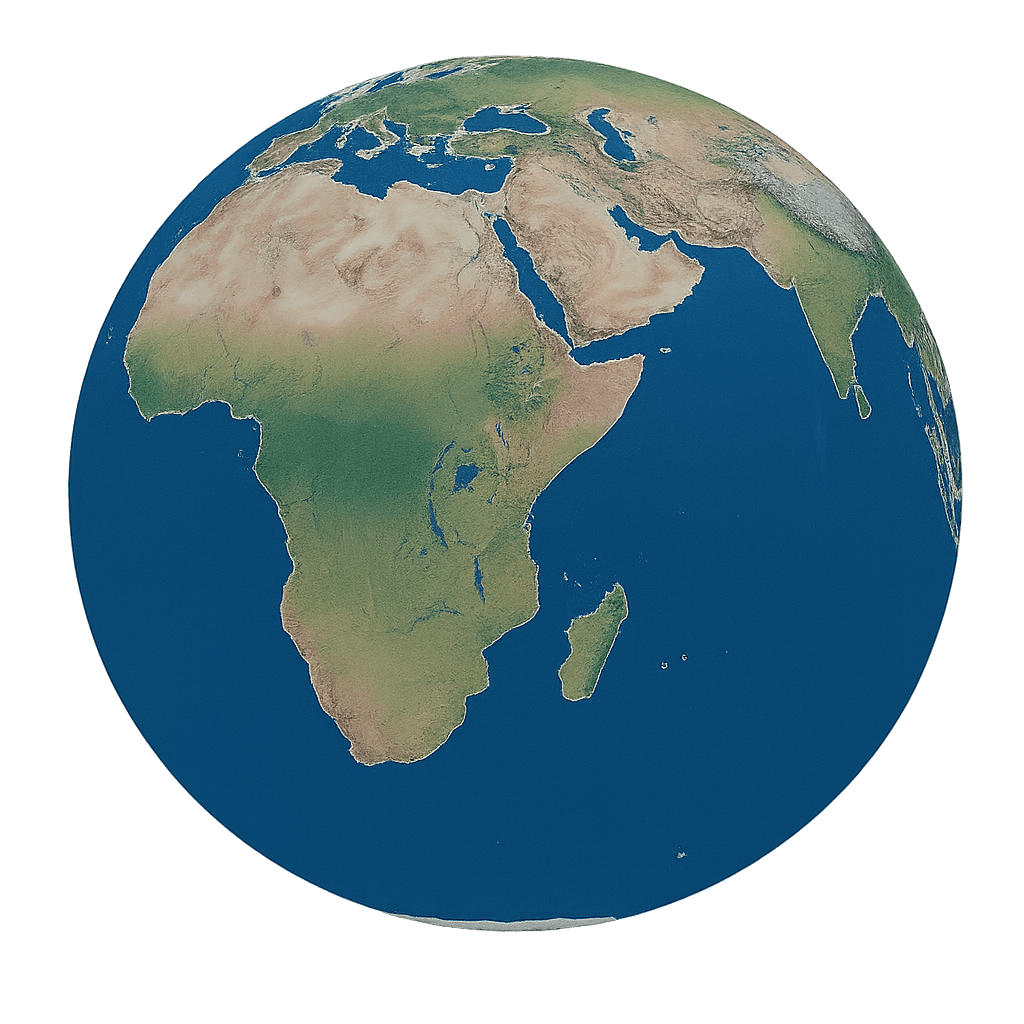

Central African Republic begins elections as Touadera seeks third term
Approximately 2.3 million registered voters are eligible to participate across 6,762 polling stations, which are scheduled to close at 17:00 GMT, according to the National Elections Authority. The presidential race features seven candidates, and preliminary results are expected on January 5. Analysts predict that 68-year-old Touadera is likely to secure victory.
Touadera was first elected in 2016 and reelected in 2020 with 53.16% of the vote in the first round. A 2023 constitutional referendum removed presidential term limits and extended the term of office to seven years, enabling his bid for a third term. He formally announced his candidacy in July during the congress of his United Hearts Movement (MCU) party.
His campaign has focused on security, promising improvements following peace deals with several armed groups, as well as infrastructure projects in education, health, water, and electricity.
Opposition figures have criticized Touadera for attempting to consolidate power after the constitutional changes. Main challengers Anicet-Georges Dologuele and former Prime Minister Henri-Marie Dondra alleged obstacles to their campaigns in certain provinces, a claim dismissed by Touadera’s camp. Dologuele, 68, who finished second in the 2020 election, has campaigned on strengthening democratic institutions and international partnerships. Dondra, 59, is running under the Republican Unity party and previously served as Touadera’s prime minister from 2021 to 2022.
A candidate must achieve an absolute majority to win outright; otherwise, a runoff will be held.
An opposition coalition, the Republican Bloc for the Defense of the Constitution, has boycotted the election, citing delays in approving key opposition candidates.
In total, 687 candidates are contesting legislative seats, while 226 are running in regional elections. Municipal elections, which have not taken place since 1988, are also being conducted as part of the 2019 Political Agreement for Peace and Reconciliation.
The African Union has deployed observers to monitor the process. Despite the 2019 agreement, insecurity remains widespread, with over two million people needing aid and nearly one million displaced internally or abroad, according to UN reports.
Legal Disclaimer:
EIN Presswire provides this news content "as is" without warranty of any kind. We do not accept any responsibility or liability for the accuracy, content, images, videos, licenses, completeness, legality, or reliability of the information contained in this article. If you have any complaints or copyright issues related to this article, kindly contact the author above.
