

Researcher Shows How Mapping Technology Could Transform Pharmaceutical Supply Chains
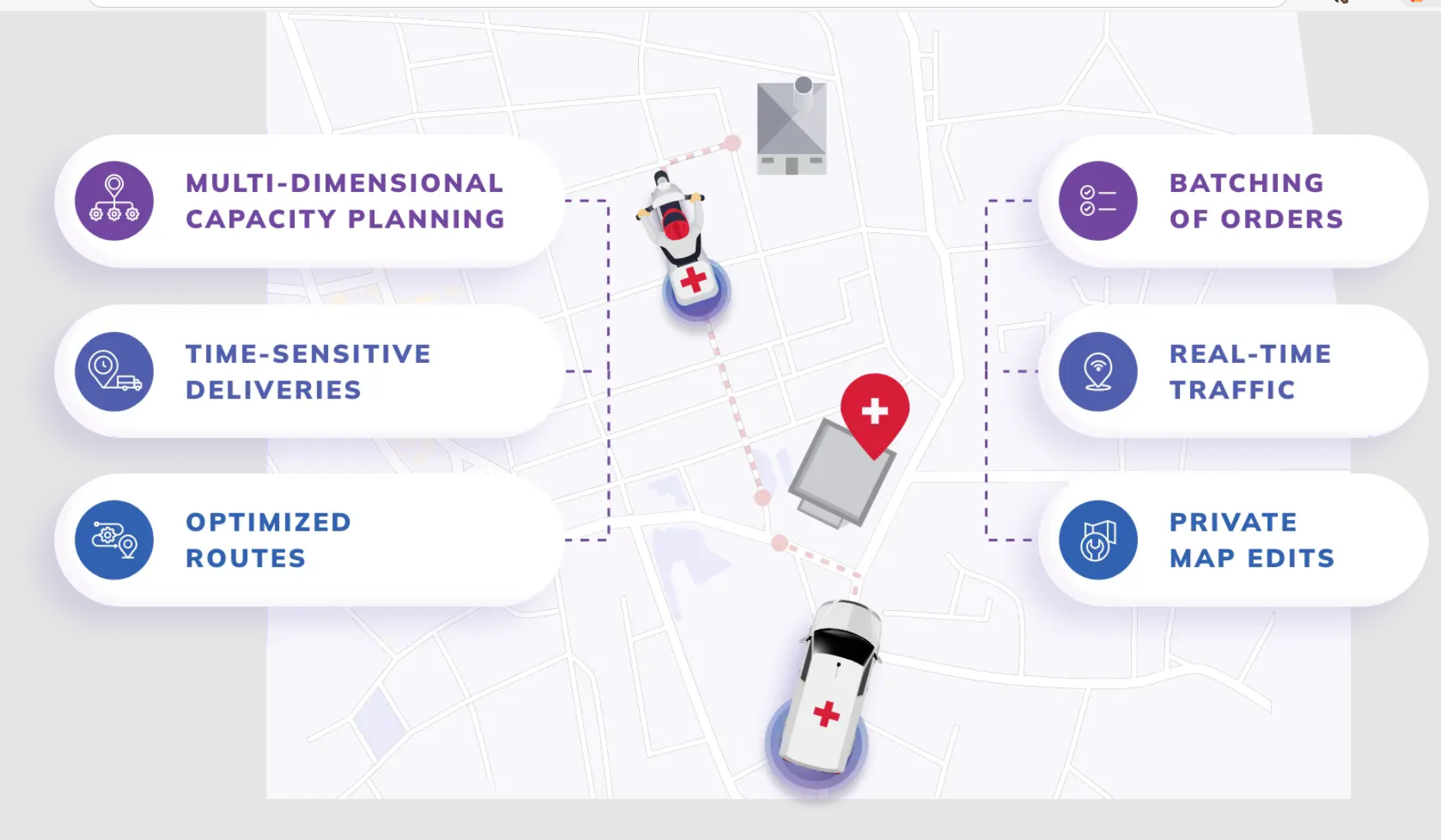
Pharmaceutical Delivery Map
By Dare Ehigie
AUSTIN, TX, UNITED STATES, January 14, 2026 /EINPresswire.com/ -- A peer-reviewed study suggests that integrating geospatial analytics with business intelligence may help reduce medicine shortages and improve drug distribution efficiency, particularly in emerging markets. Pharmaceutical supply chains in many developing and transitional economies continue to face persistent challenges, including inefficient delivery routes, limited visibility into demand, and frequent stockouts of essential medicines. A research study published in 2016 argues that these problems could be significantly reduced by embedding geographic data directly into the systems used to manage pharmaceutical distribution. The study, authored by Nonso Fredrick Chiobi and published in the Scholars Journal of Economics, Business and Management, examines how geospatial analytics, technology that analyzes data based on location, can be combined with business intelligence tools to improve day-to-day supply chain decisions.
Bridging a Critical Gap in Drug Distribution
According to the research, pharmaceutical supply chains have traditionally relied on historical sales reports and basic performance dashboards to guide decisions. While many organizations collect location data, such as the geographic positions of clinics, pharmacies, and warehouses, this information is often used only for static mapping rather than for operational planning. At the same time, business intelligence systems typically analyze sales, inventory, and orders without accounting for geographic realities such as road conditions, travel time, or regional accessibility. This disconnect, the study argues, has contributed to inefficiencies that are especially pronounced in emerging markets where infrastructure constraints are common.
What the Study Proposes
Chiobi’s research proposes an integrated framework that brings geospatial analytics and business intelligence together into a single operational system. Rather than treating maps and location data as supplementary tools, the framework embeds geographic intelligence into core supply chain functions.
Under the proposed approach, location-based data is used to support:
• Demand forecasting, by identifying geographic patterns in medicine consumption
• Route planning, using real travel times instead of straight-line distances
• Order prioritization, factoring in outlet accessibility and delivery lead times
• Territory management, to balance workloads and improve market coverage
The study emphasizes that the required technologies, such as GIS software, relational databases with spatial extensions, and analytics dashboards, were already available by 2016, making real-world implementation feasible.
Why It Matters
The implications of the research extend beyond operational efficiency. In pharmaceutical supply chains, distribution failures can directly affect public health, leading to treatment interruptions and preventable health outcomes. By improving visibility and decision-making at the operational level, the proposed framework could help distributors ensure that medicines reach remote and underserved areas more reliably. The research suggests that geographically informed decision-making can also reduce unnecessary transportation costs, improve delivery reliability, and help organizations respond more effectively to demand fluctuations.
A Shift Toward Data-Driven Healthcare Logistics
While the framework presented in the study is conceptual, it reflects a broader shift toward data-driven approaches in healthcare logistics. The integration of spatial analytics with operational systems aligns with growing interest in using advanced analytics, digital mapping, and optimization tools to modernize supply chains. Chiobi argues that spatial data should no longer be viewed as an auxiliary reporting feature, but as a central component of operational intelligence—one that informs decisions in real time rather than after the fact.
Looking Ahead
The study concludes by highlighting opportunities for future research and practical implementation, including pilot projects to test the framework in real distribution environments. As healthcare systems worldwide face increasing pressure to improve efficiency while expanding access, the research points to geospatially enabled analytics as a promising pathway for strengthening pharmaceutical supply chains.
Study details
Title: Integrating Geospatial Analytics and Business Intelligence for Workflow Optimization in Pharmaceutical Supply Chains.
Author: Nonso Fredrick Chiobi
Journal: Scholars Journal of Economics, Business and Management
Year: 2016
Dare Eriel Ehigie
State University of New York
email us here
Legal Disclaimer:
EIN Presswire provides this news content "as is" without warranty of any kind. We do not accept any responsibility or liability for the accuracy, content, images, videos, licenses, completeness, legality, or reliability of the information contained in this article. If you have any complaints or copyright issues related to this article, kindly contact the author above.
