

Revealed: The best sleeping positions to ease colds, cramps, stomach bugs, and more – and the common mistakes
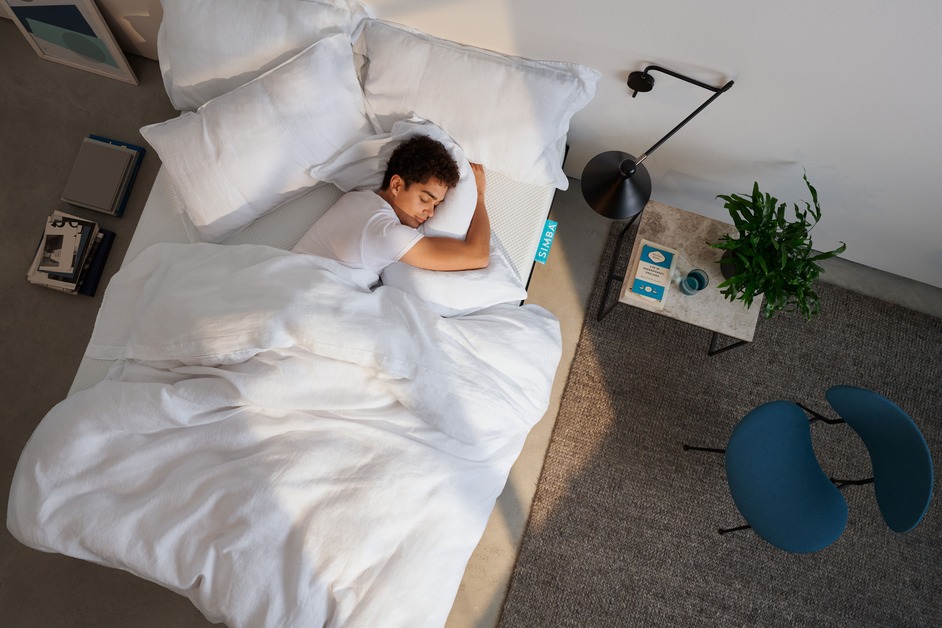
Simba Sleep
Sleep expert reveals tips that could make the difference between tossing and turning or waking up refreshed
LONDON, UNITED KINGDOM, January 14, 2026 /EINPresswire.com/ -- When you’re under the weather, a good night’s sleep can feel impossible, and even small discomforts can cause tossing and turning on a worn or unsupportive single mattress.
With winter viruses, colds, coughs, and flu on the rise, many people will be struggling to get a good night’s sleep while unwell.
To help you get the rest you need, Lisa Artis, deputy CEO of Simba’s charity partner, The Sleep Charity, shares the sleep positions that could help ease everything from colds and flu to period cramps.
Plus, she highlights common mistakes to avoid that could be sabotaging your recovery.
1. Cold, Cough, or Flu: Prop Yourself Up
Best Position: On your back with your head and shoulders elevated at a 45-degree angle. This position prevents mucus from pooling in your throat, which can trigger coughing fits and make breathing more difficult. Use extra pillows or an adjustable support like the Simba Hybrid Pillow for optimal support.
Avoid This Mistake: Sleeping flat on your back. This can cause mucus to settle in your airways, making congestion worse.
Worst Way to Sleep: Face-down. This puts unnecessary strain on your neck and limits airflow.
2. Constipation: Sleep Left Side to Help Digestion
Best Position: Sleeping on your left side can help relieve constipation and ease IBS symptoms by using gravity to support better digestion. This position encourages the natural flow of food and waste through your digestive system, allowing gravity to move waste from the small intestine to the large intestine more efficiently.
Avoid This mistake: Sleeping on your stomach can place pressure on your digestive organs and make discomfort worse.
Worst way to sleep: Lying flat on your back. This position may slow digestion and cause bloating, making constipation symptoms linger longer.
3. Stomach Bugs, Vomiting and Diarrhea: Right-Side Relief
Best Position: On your right side
While there's no scientific proof, some believe sleeping on the right side may help reduce nighttime bowel movement during diarrhoea. This position could slow stool frequency by encouraging it to stay in the lower part of the digestive tract longer, preventing it from reaching the colon too quickly and reducing urgency.
Avoid This Mistake: Curling into a tight fetal position. While it may feel comforting, this posture can compress your abdominal area, increasing discomfort.
Worst Way to Sleep: Sleeping on your stomach can make diarrhoea and nausea worse because it can compress your stomach and organs.
4. UTIs: Relax and Elevate
Best Position: On your side in a relaxed fetal position or on your back with legs slightly apart. These positions ease pressure on the bladder and promote pelvic relaxation, which can alleviate discomfort. Have a hot shower and put a hot water bottle on your abdomen or between your legs for 15 minutes before bed.
Avoid This Mistake: On your tummy. It traps heat and pressure in your pelvic area, potentially exacerbating symptoms.
Worst Way to Sleep: Tight constricting nightwear and wearing thong underwear in bed. E. coli, the most common bacteria in the colon and a leading cause of UTIs, can easily cling to the string back of a thong. Even slight movements during sleep can cause the material to shift, potentially transferring E. coli bacteria dangerously close to the vaginal area.
5. Period Cramps: Pillow Power
Best Position: On your back with a pillow under your knees or on your side with a pillow between your thighs. These positions support pelvic alignment and improve blood flow to reduce pain.
Avoid This Mistake: Stretching out completely flat on your back. This position can strain your lower back and worsen bloating.
Worst Way to Sleep: Curled up tightly. While tempting, this can restrict blood flow and increase muscle tension..
“Ultimately, sleep is the best medicine. A solid eight hours of uninterrupted rest helps the body fight infections, speeding up recovery and restoring energy. Without enough sleep, we wake up feeling overtired and irritable, making it even harder to shake off illness. Taking to our beds to rest and recharge can make all the difference in how our bodies cope with a heavy cold, reinforcing the simple truth that good sleep is essential for good health,” concludes Lisa.
Anonymous Contributor
TSH Media
email us here
Legal Disclaimer:
EIN Presswire provides this news content "as is" without warranty of any kind. We do not accept any responsibility or liability for the accuracy, content, images, videos, licenses, completeness, legality, or reliability of the information contained in this article. If you have any complaints or copyright issues related to this article, kindly contact the author above.
