
Madhya Pradesh Showcases Its Museum Heritage at National Seminar in Bhopal
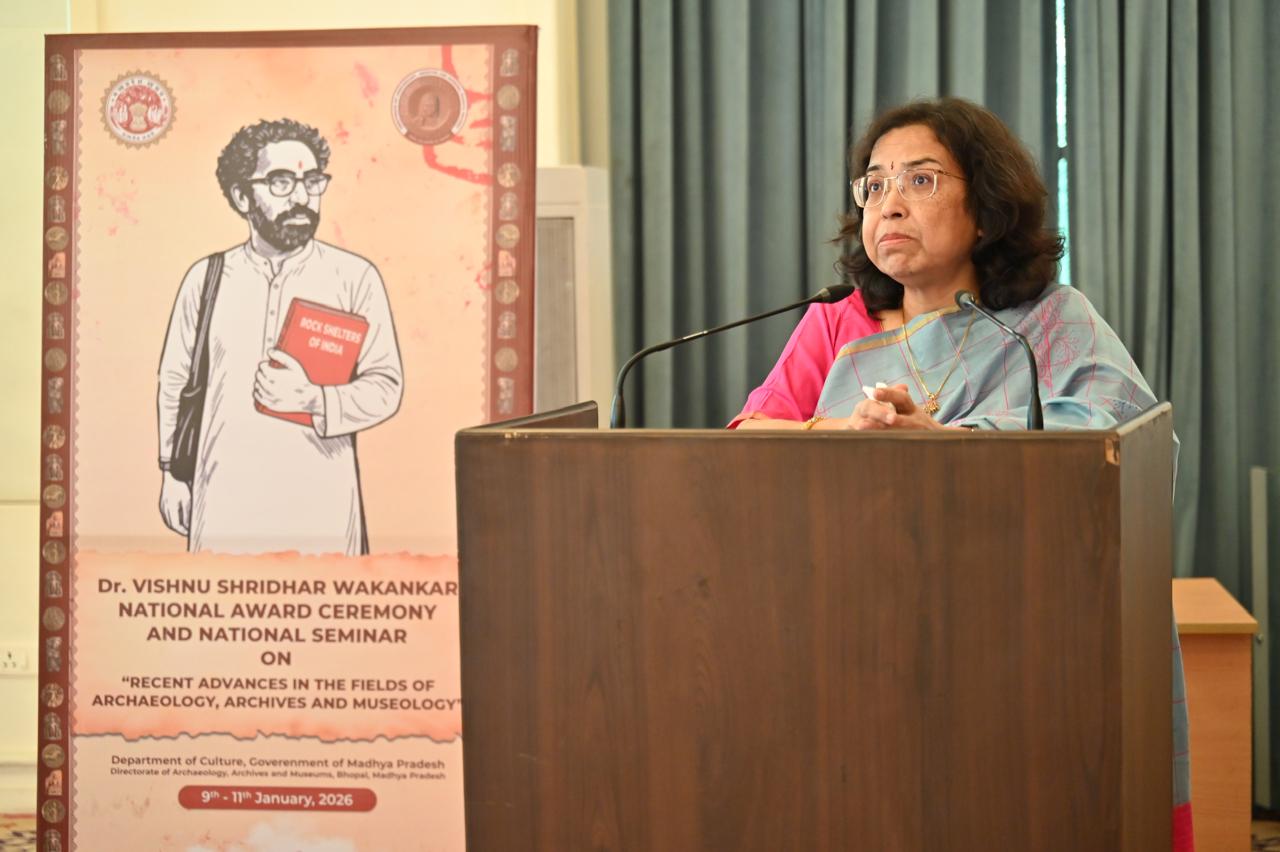
Dr. Nandini Bhattacharya Sahu, Joint Director, Archaeological Survey of India (ASI)
Indira Gandhi Rashtriya Manav Sangrahalaya (IGRMS), is India's National Museum of Mankind, showcasing human evolution and cultural diversity
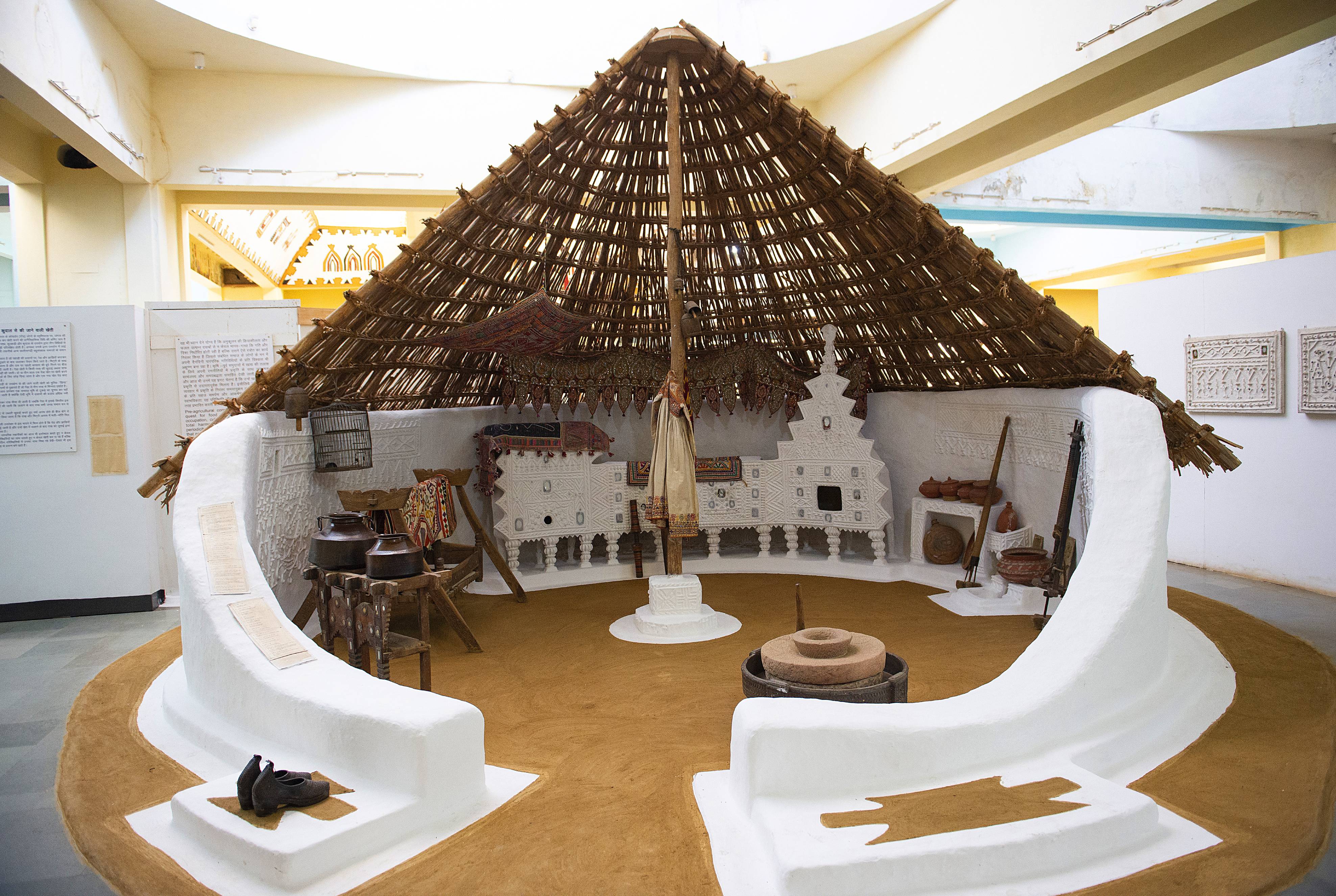
Indira Gandhi Rashtriya Manav Sangrahalaya (IGRMS)
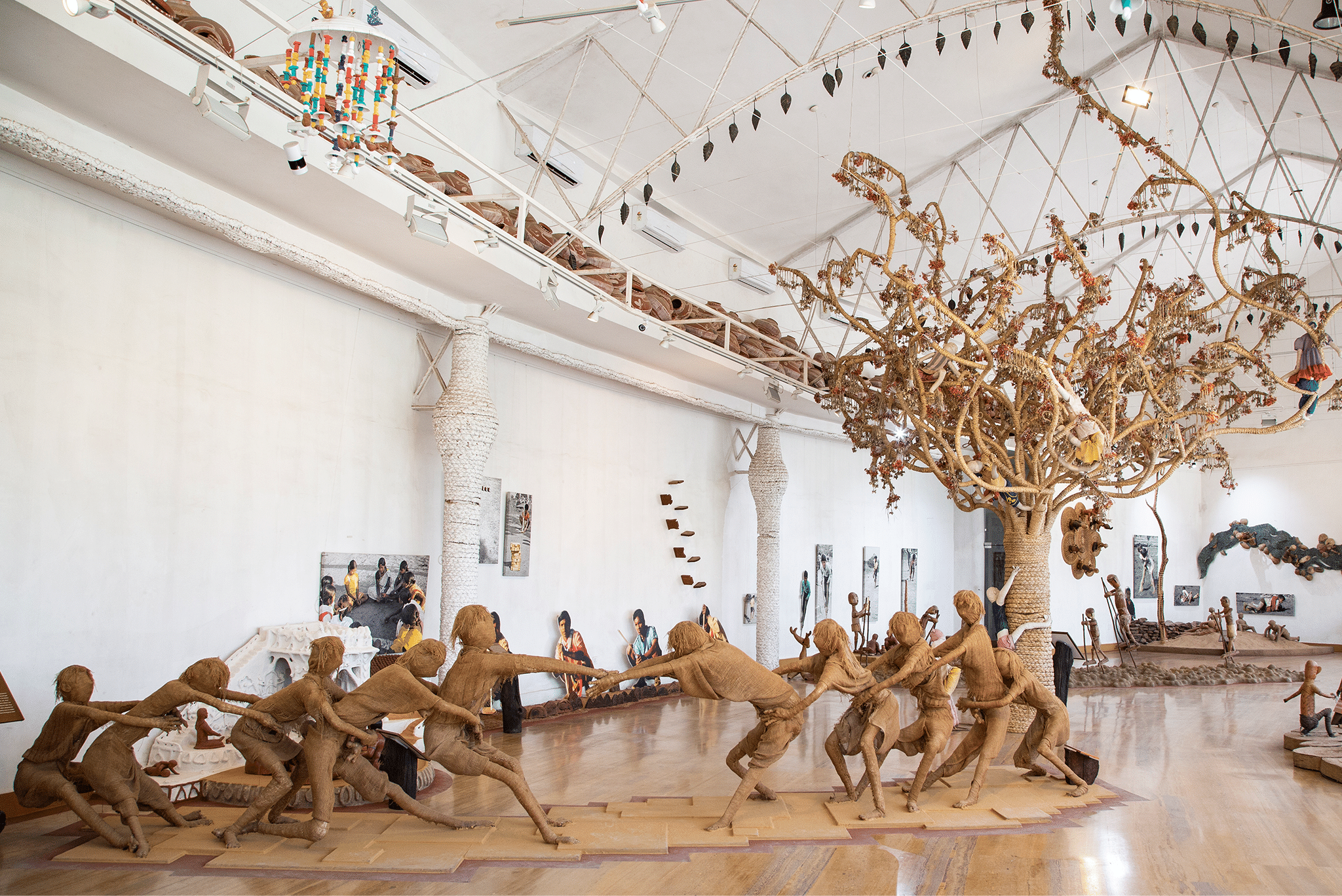
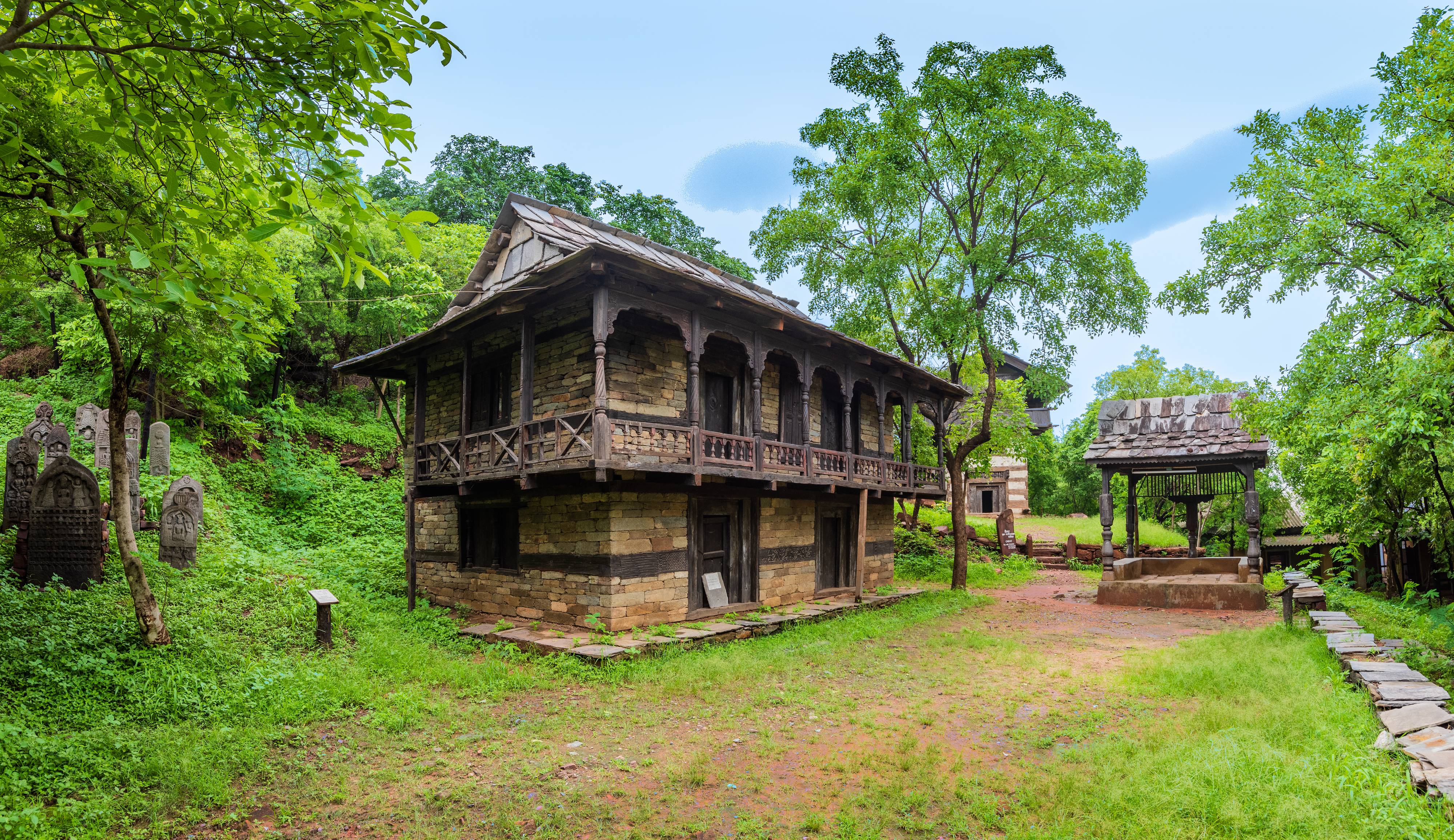
Tribal Museum of Madhya Pradesh – a journey through the heart of indigenous traditions
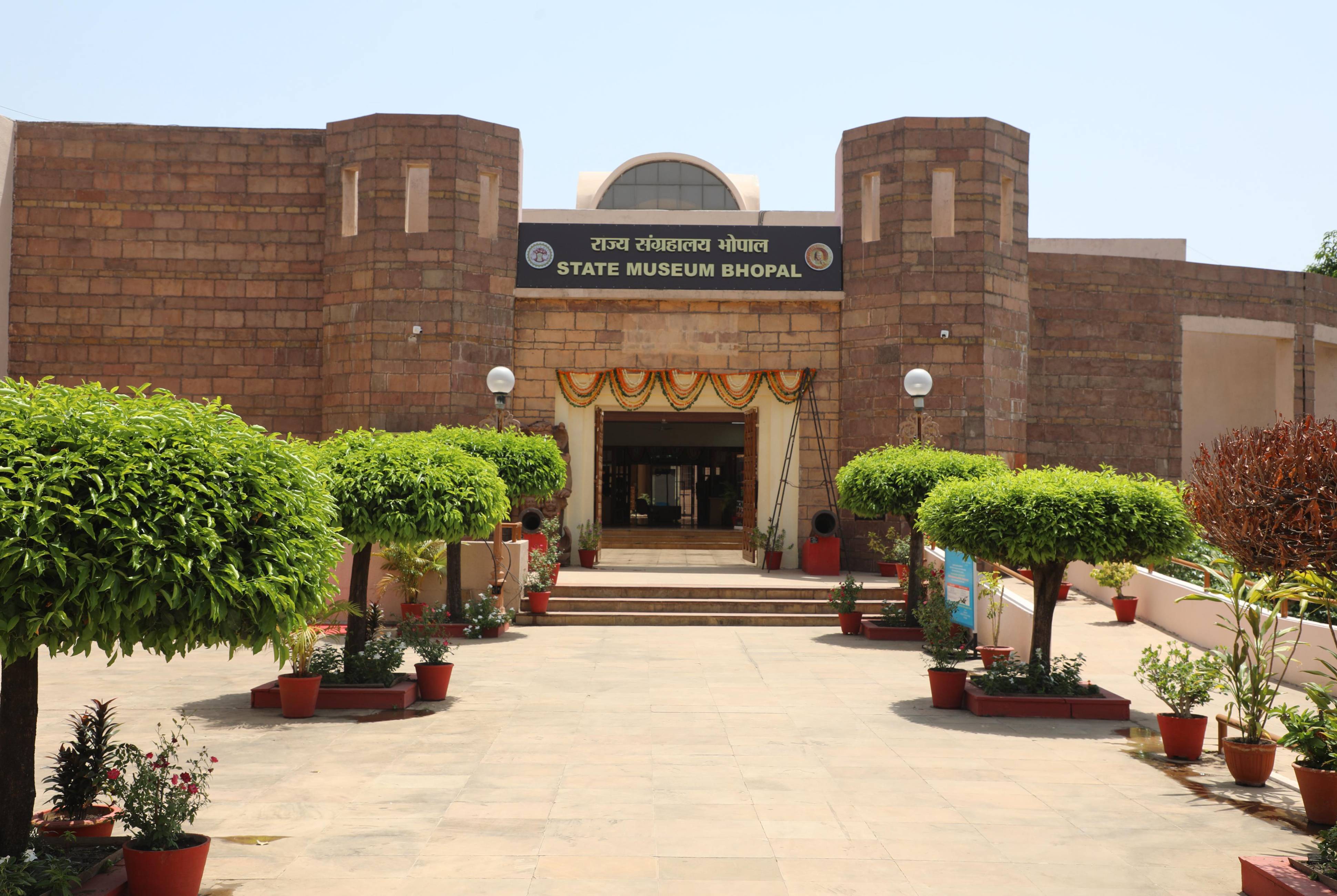
State Museum - Bhopal, Madhya Pradesh, India
Organized as a national knowledge platform, the three-day seminar brought together scholars, heritage professionals, and institutional representatives for in-depth discussions on archaeology, archival studies, and museology. The inaugural sessions placed special emphasis on the evolving role of museums in preserving and interpreting India’s cultural heritage, with museology emerging as a central theme. The deliberations reaffirmed Madhya Pradesh’s standing as one of India’s most museum-rich states.
Delivering the keynote address, Dr. Nandini Bhattacharya Sahu, Joint Director, Archaeological Survey of India (ASI), highlighted the state’s rich archaeological legacy. Underlining its global significance, she said: “Madhya Pradesh is home to UNESCO World Heritage Sites such as Sanchi, Khajuraho, and Bhimbetka, and continues to yield important archaeological discoveries across regions like the Gawilgarh Hills near Betul.” She noted that the rock art traditions of Central India represent a cultural continuum spanning Bhopal, Raisen, Nagpur, and the Satpura ranges.
Dr. Sahu also drew attention to the challenges involved in documenting rock art sites, many of which are located deep within forested landscapes and are traditionally named after local deities or villages. These factors, she observed, make systematic exploration and conservation both complex and imperative.
Speaking on the evolution of museums in India, Dr. Arun Raj T, Regional Director (Central Zone), ASI, Bhopal, presented a historical overview of museology in the country. He traced its journey from the establishment of India’s first museum by the Royal Asiatic Society in Calcutta in 1814 to the development of institutional museums at Sarnath, Agra, the Red Fort, and Sanchi during the colonial period.
Highlighting Madhya Pradesh’s contribution, Dr. Arun Raj noted that the state is home to 47 museums, with Bhopal hosting two National Museums—the Indira Gandhi Rashtriya Manav Sangrahalaya (IGRMS) and the National Telecom Museum. He observed that this extensive network reflects the state’s rich cultural, anthropological, and technological heritage.
Addressing the future of museums, Dr. Arun Raj emphasized the need for modernization, stating that “museums must move towards curated narratives supported by technology-driven conservation, documentation, and interpretation.” He also stressed the importance of formal training in museology to equip professionals with contemporary skills in collection management and visitor engagement.
The seminar concluded with presentations of scholarly research papers on themes such as digitalization, conservation practices, and archival management, reinforcing the event’s objective of strengthening knowledge exchange and professional capacity across the heritage sector.
Through these kind of platforms, Madhya Pradesh continues to assert its role as a key stakeholder in India’s museum ecosystem—blending academic discourse, institutional expertise, and heritage stewardship to advance the preservation of the nation’s cultural legacy.
ZM
Madhya Pradesh Tourism Board
email us here
Visit us on social media:
LinkedIn
Instagram
Facebook
YouTube
X
Museums of Bhopal
Legal Disclaimer:
EIN Presswire provides this news content "as is" without warranty of any kind. We do not accept any responsibility or liability for the accuracy, content, images, videos, licenses, completeness, legality, or reliability of the information contained in this article. If you have any complaints or copyright issues related to this article, kindly contact the author above.
