

Leopoldo Lares Sultan examines how wireless earbuds are becoming smarter and more versatile
Leopoldo Lares Sultan Analysis about Wireless Earbuds
Leopoldo Lares Sultán examines how wireless earbuds are evolving from audio devices into smart tools for translation, adaptive noise control, and health
LOS ANGELES, CA, UNITED STATES, April 21, 2026 /EINPresswire.com/ -- For years, wireless earbuds competed on familiar territory: sound quality, battery life, comfort, and design. That race is still alive, but it is no longer the whole story. The category is now moving into a new phase, one in which earbuds are expected not only to play music well, but also to understand context, improve communication, and respond intelligently to the environment around the user. As Leopoldo Lares Sultán recently noted on his blog, the most important shift in this market is not just acoustic performance, but the growing range of functions that now sit around the listening experience.That shift is most obvious in the evolution of active noise cancellation. Traditional ANC was designed to block outside sound by generating opposing frequencies that reduce ambient noise. It worked, but it was relatively blunt. The latest generation of earbuds is taking that concept much further. Now, the goal is not simply to silence the outside world, but to interpret it. Instead of applying the same noise filter at all times, newer products can identify different types of sounds, distinguish between useful and irrelevant noise, and react in real time.
This is where adaptive noise cancellation becomes important. In practice, it means that earbuds can reduce engine rumble on a plane, soften the chaos of public transport, and still allow a nearby voice or important announcement to come through when necessary. The listening experience becomes more selective and more natural. Rather than forcing users to choose between isolation and awareness, manufacturers are trying to deliver both at once. That is a major change in philosophy, and Lares Sultán is right to frame it as one of the defining trends in the sector.
The market already offers several examples of this evolution. Soundcore’s Space One, for instance, promotes adaptive noise cancelling, multiple transparency levels, and long battery life even with ANC enabled. Bose has also pushed heavily in this direction, especially by combining premium noise cancellation with AI-powered voice clarity for calls. In other words, earbuds are no longer just reducing sound; they are beginning to prioritize it, deciding what matters and what should stay in the background.
The second major transformation is real-time translation. For a long time, translation in earbuds felt more like a promising demo than a seamless everyday feature. That is now starting to change. What once belonged mostly to niche travel devices is increasingly entering mainstream consumer audio. This matters because it changes the role of earbuds from passive listening tools into active communication devices.
Apple’s latest ecosystem push illustrates this clearly. The company has introduced live translation support for compatible AirPods when paired with an iPhone running the required software environment. That means users can listen to translated speech directly through their earbuds during a conversation, without constantly staring at a phone screen. The significance of that development is not just technical. It is experiential. Translation becomes more fluid when the device fades into the background and the conversation feels less interrupted by interfaces.
Specialized brands such as Timekettle have been exploring this space for years, especially with products aimed at bidirectional translation in travel and multilingual conversations. What is changing now is that these capabilities are beginning to move beyond specialized products and into the larger ecosystems of major tech companies. That is usually the point when a feature stops being a curiosity and starts becoming a market expectation.
A third development, and perhaps the most strategic one in the long term, is the transformation of earbuds into health-oriented wearables. This is where the category begins to overlap with the world of biometric tracking. Apple has already moved in that direction with products such as AirPods Pro 3, which introduced heart rate monitoring during workouts. The logic behind this move is easy to understand. The ear offers a relatively stable position on the body, and that makes it an attractive place for collecting certain physiological data during movement.
Once that door opens, the implications become much larger than one sensor or one metric. Earbuds start to become part of a broader personal monitoring ecosystem, alongside watches, phones, and fitness platforms. They can track activity, support communication, adjust audio behavior based on context, and serve as an always-available layer of personal technology. In that sense, the future of earbuds is not only about better drivers or richer bass response. It is about convergence.
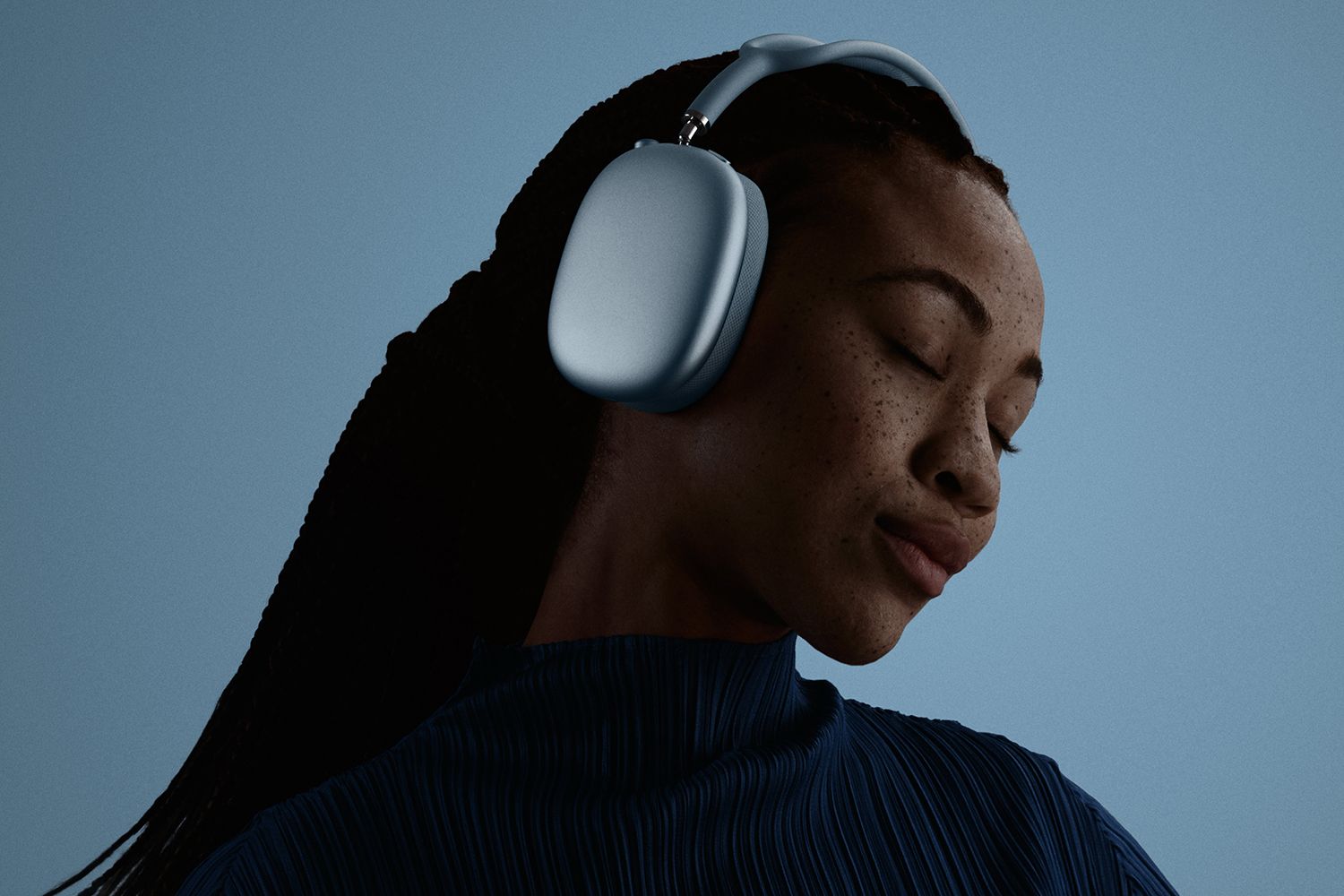
That broader strategy is especially visible in Apple’s new AirPods Max 2. According to the company, the new model adds the H2 chip, improved active noise cancellation, adaptive audio features, conversation awareness, voice isolation, live translation, head-gesture controls for Siri, and even camera remote functionality through the Digital Crown. The AirPods Max 2 are also positioned for creators and power users with support for high-resolution lossless audio through USB-C. Taken together, those additions show how far the premium headphone segment is moving away from pure audio and toward multi-function intelligent wearables.
Leopoldo Lares Sultán’s analysis captures the central reality of this moment: wireless earbuds are no longer just accessories for music playback. They are evolving into smart, context-aware devices that sit at the intersection of audio, artificial intelligence, translation, and health tracking. In a market where sound quality alone is no longer enough to stand out, the next competitive frontier is clear. The winning products will be the ones that do more than sound good. They will be the ones that understand what is happening around the user and respond in ways that feel genuinely useful.
Leopoldo Lares Sultan
Leopoldo Lares Sultan
+1 424-719-8231
email us here
Legal Disclaimer:
EIN Presswire provides this news content "as is" without warranty of any kind. We do not accept any responsibility or liability for the accuracy, content, images, videos, licenses, completeness, legality, or reliability of the information contained in this article. If you have any complaints or copyright issues related to this article, kindly contact the author above.
